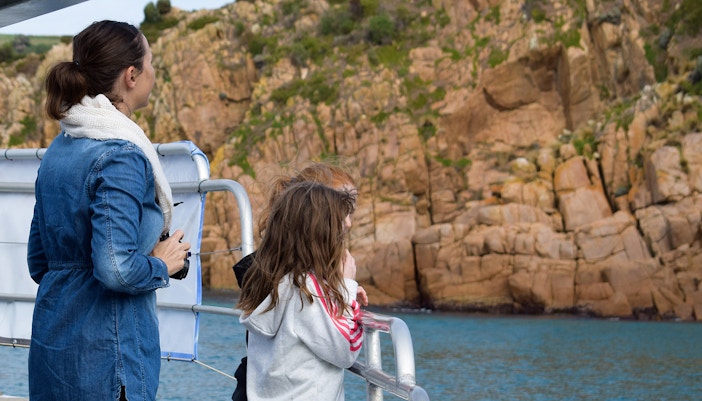
- We'd recommend exploring Cape Woolamai with a guided tour if you want to delve into the area's natural beauty and history without the hassle of planning. Tours include boat rides around the dramatic granite cliffs and secluded beaches, with live commentary from experienced guides and locals.
- During these tours, you'll learn all about the local sea and bird species, how they came to be, and their endangered status. You'll also get to learn about Cape Woolamai's occupation and the history of the Aboriginals inhabiting Phillip Island for millennia.
Cape Woolamai: Explore the highest point on Phillip Island!
Discover the hidden gems of Phillip Island at Cape Woolamai!
Situated at the southeastern tip of Phillip Island, Cape Woolamai is a hidden gem and a break from the large crowds at Phillip Island! From surfing and kayaking along gorgeous coastlines to trekking scenic trails and savoring the local cuisine, there's something here for every adventurer. Cape Woolamai is also home to one of the most scenic trails in Australia, where you can catch views of the Pinnacles, Cape Woolamai Beacon, and the Old Granite Quarry!
Navigate your guide to visiting Cape Woolamai
Why visit Cape Woolamai?
1/5
Take a stunning coastal walk
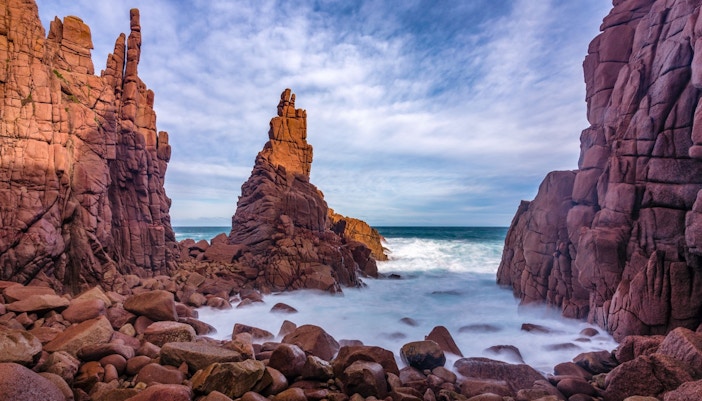
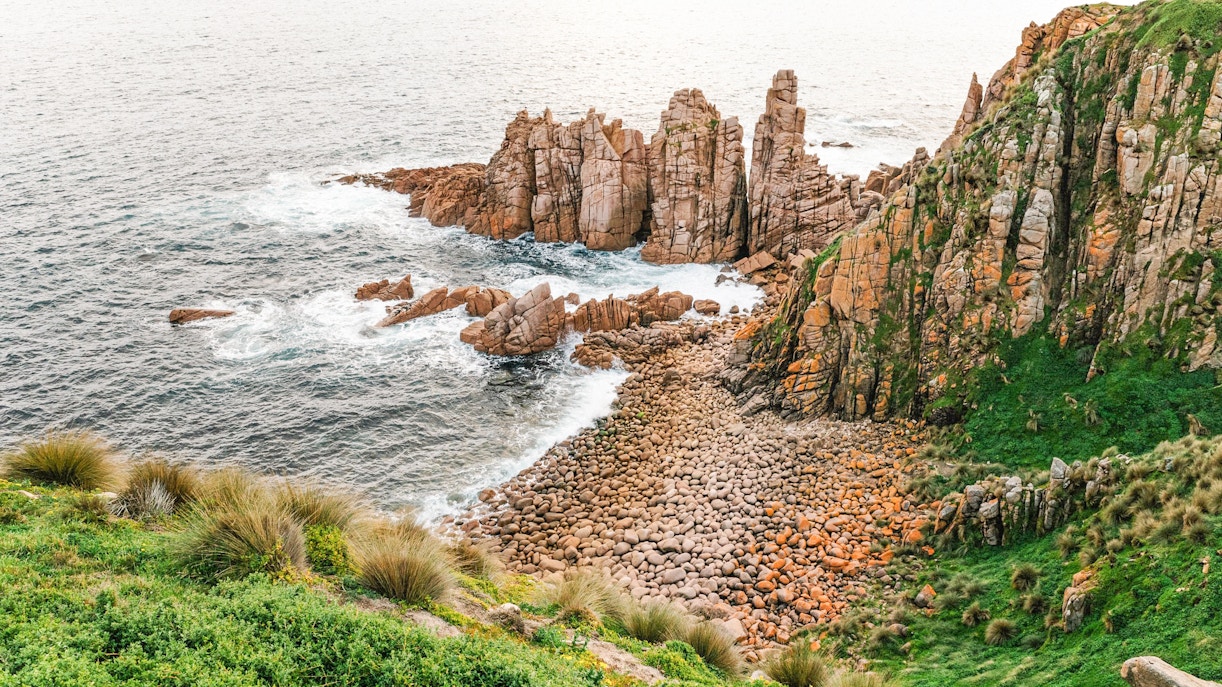
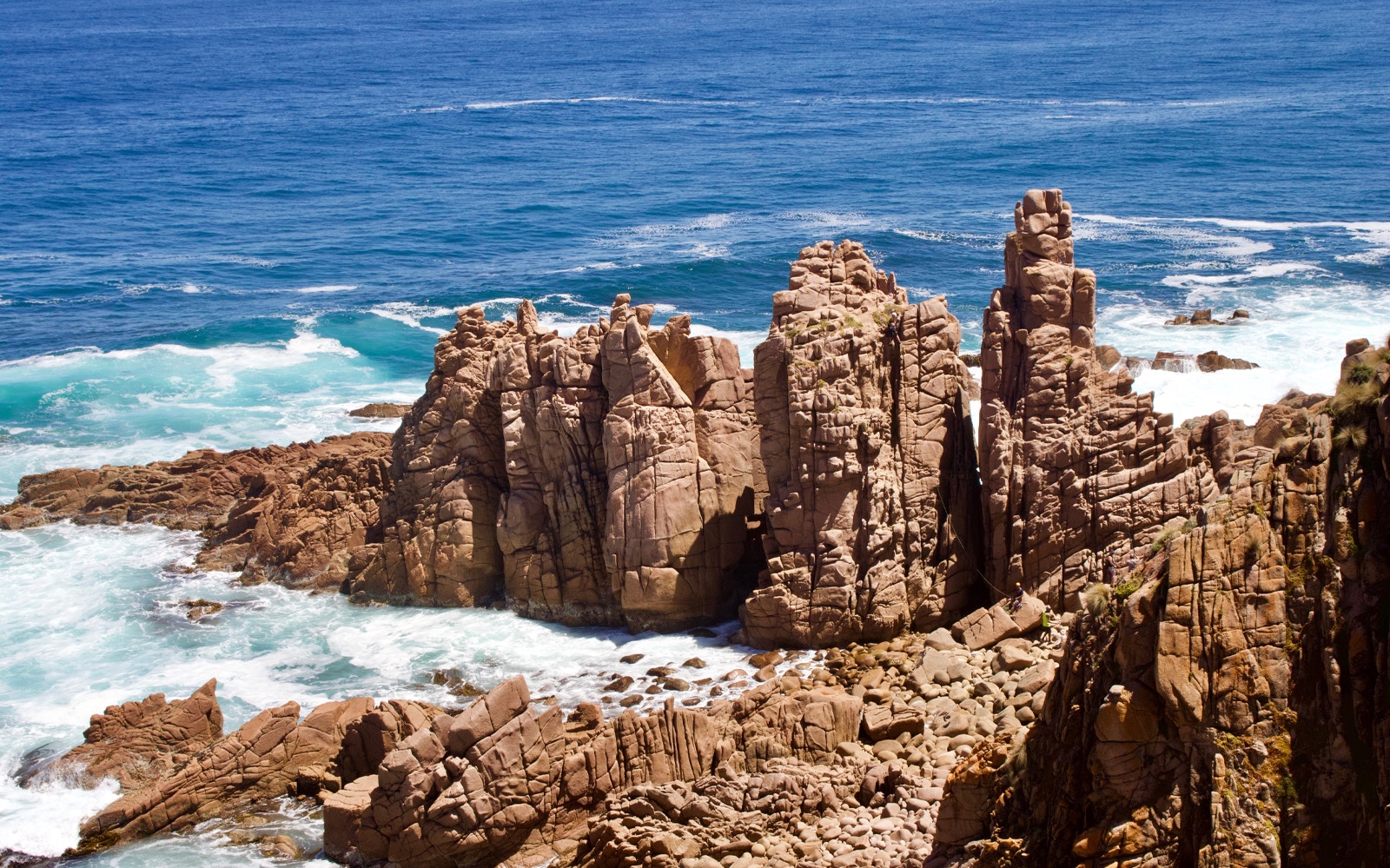
The Cape Woolamai Circuit is an 8.3-kilometer trail that merges several shorter paths, including the Pinnacles Walk and the Old Granite Quarry Walk. A favorite for photographers and hikers alike, this circuit offers breathtaking views of rugged cliffs and the ocean. Keep an eye out for the Pinnacles, an impressive granite formation shaped by volcanic activity and erosion.
Go surfing at Woolamai beach
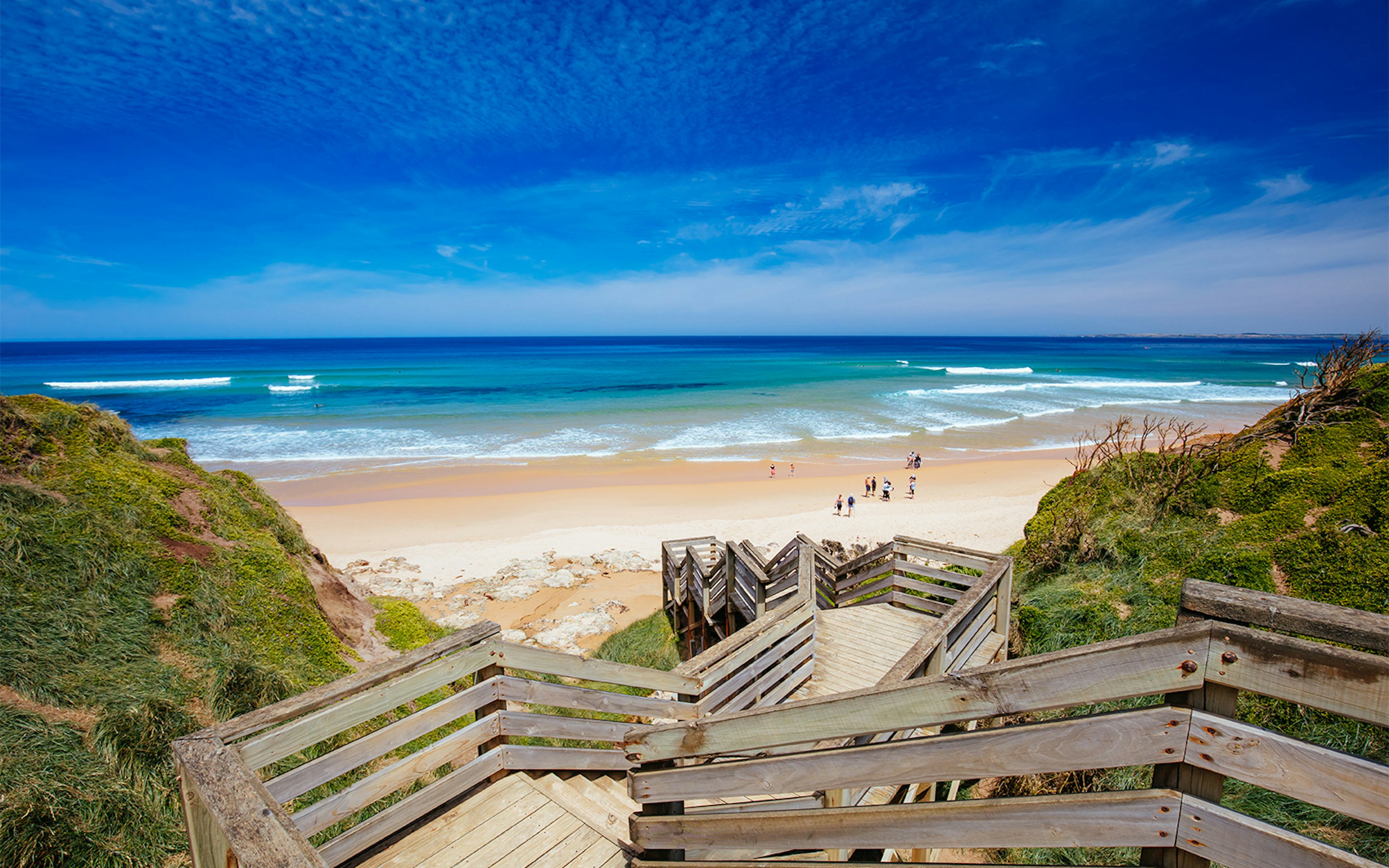
Known for its consistent surf breaks, Woolamai Beach is one of Victoria's most popular surfing spots. The robust waves, particularly strong in winter, draw surfers from all over. Even if you’re not surfing, watching the surfers tackle the waves is an exhilarating experience.
Visit the highest point on Phillip Island
Standing 112 meters above sea level, The Beacon is the highest point on Phillip Island. It provides stunning 360-degree views of the island, San Remo, and beyond. This spot is especially beautiful at sunrise and sunset, making it perfect for golden-hour photography.
Go bird watching or spot local wildlife
Cape Woolamai is a haven for bird species like the endangered Hooded Plover and the Australian Muttonbird. As you walk the trails, you might also see wallabies and other native wildlife. The area's natural beauty is further enhanced by its diverse flora, like magnolia trees, near the old granite quarry.
Visit the historical granite quarry
The old granite quarry at Cape Woolamai, which was active in the early 20th century, adds a historical dimension to your visit. Although it was only operational for a few years, the remnants of machinery and split granite boulders tell the story of its past and the challenging conditions faced by the workers.
The best ways to see Cape Woolamai Phillip Island
Via guided tour
By yourself
- Visiting Cape Woolamai by yourself lets you explore at your own pace and plan your visit! You can drive to the Cape Woolamai car park, and from there, choose your adventure.
- Choose between hiking the Cape Woolamai Circuit, sunbathing and lounging on the beaches, taking photographs of the rugged coastline, surfing from the Cape Woolamai Surf Beach, or birdwatching!

Via a trek
- Trekking at Cape Woolamai is extremely popular, so don’t worry if you’re a beginner. The trails are fairly easy and don’t pose big threats (especially if you’re scared of Australia’s reputation for snakes and spiders).
- The Cape Woolamai Circuit is an 8.5km loop that takes you through coastal scrub, past the old granite quarry, and up to breathtaking lookouts over Bass Strait.
- The trail is well-marked and suitable for all fitness levels, with opportunities to see local wildlife, like muttonbirds, and enjoy the gorgeous views. Make sure to visit during low tide if you want to spot the granite quarry and its secluded cove.
Plan your visit to Cape Woolamai Phillip Island
- Summer vs winter: Cape Woolamai tends to attract more tourists in the summer months (December - February), but this season is the most pleasant to swim, surf and hike in! If you prefer a quieter atmosphere and don’t mind the chilly weather, we’d recommend the winter months (June - August)!
- Spring: September to November is ideal if you want to explore Cape Woolamai's natural beauty. During these months, you’ll see a variety of native wildflowers!
Tip: Try visiting the cape earlier in the day (before 8am) if you’re planning to go on a hike or trek, andaround sunset (around 5pm) if you want to click pictures, chill by the beach and head for a scrumptious dinner afterward.
- Address: Cape Woolamai, Victoria 3925, Australia
- Find on map
- Located 140 km (87 mi) from Melbourne
- By bus from Melbourne: Take a V/Line bus from Southern Cross Station to Koo Wee Rup, then another bus to Cape Woolamai (total ~2 hours).
- By train, then bus: Train from Southern Cross Station to Dandenong, then bus to Cape Woolamai (total ~3 hours).
- By car: Drive from Melbourne via the M1 and South Gippsland Highway to Cape Woolamai (about 1 hour 45 minutes).
- By taxi: Taxi from Melbourne to Cape Woolamai costs $140-$170 and takes about 1 hour 10 minutes.
- Swimming: Swim between the red and yellow flags at Woolamai Beach, the only patrolled beach on Phillip Island.
- Beach hazards: Strong currents and rips are common, so avoid swimming far out if you’re not a strong swimmer. Look out for any lifeguard warnings.
- Walking trails: Stick to marked paths to avoid unstable cliff edges.
- Wildlife: Snakes are common, so stay on paths and avoid handling or touching them.
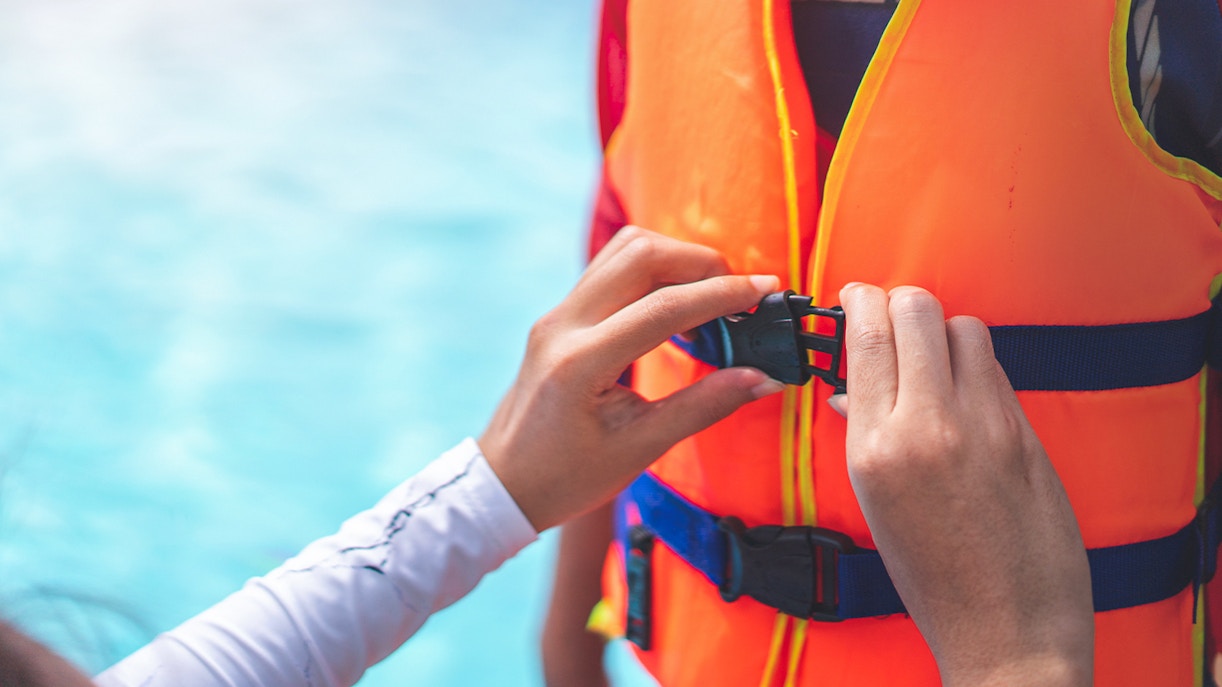
- Rock fishing: Exercise extreme caution due to slippery rocks and sudden waves. Wear a life jacket and try not to fish by yourself.

Some of Cape Woolamai’s top-rated restaurants and pubs:

Here’s what you can do at Cape Woolamai
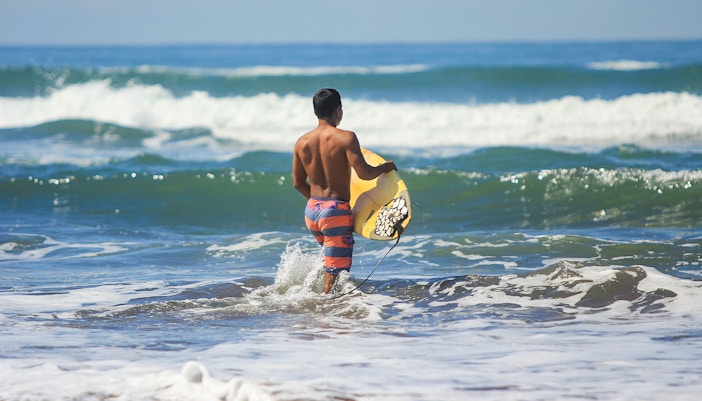
Surfing
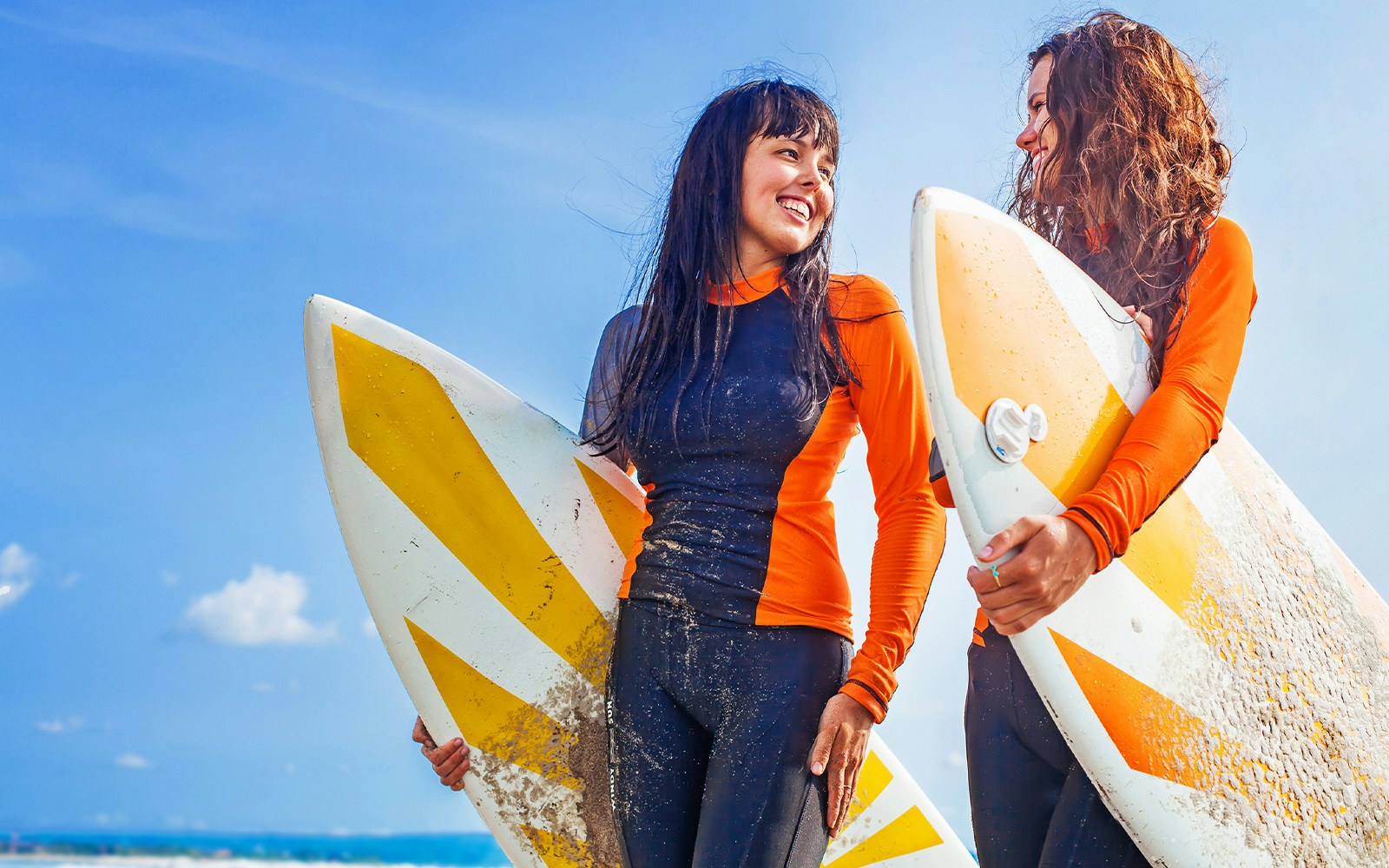
Ready to try your hand at surfing? Head to Cape Woolamai Surf Beach, where surfers flock every year for its fantastic waves and sandy stretches. Whether you're a pro or just starting, the surf breaks at Cape Woolamai are must-visit spots – grab your board and ride the legendary waves!
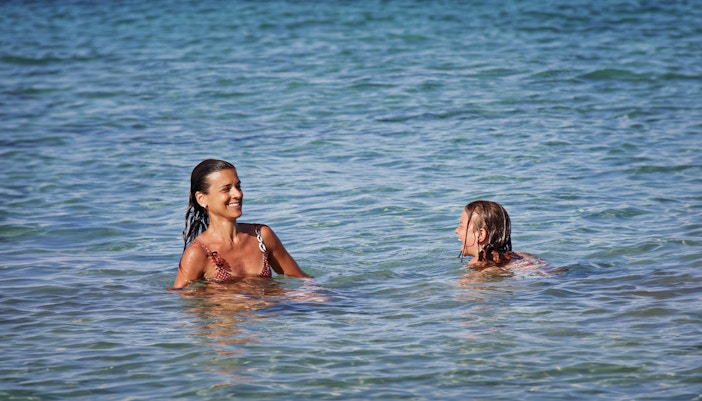
Swimming
With its gentle waves and calm, shallow waters, Cleeland Bight Beach is perfect for swimmers of all ages. This calm and peaceful spot is ideal for a quick dip while soaking up the stunning coastal scenery, and is the best relaxation destination on a sunny day.
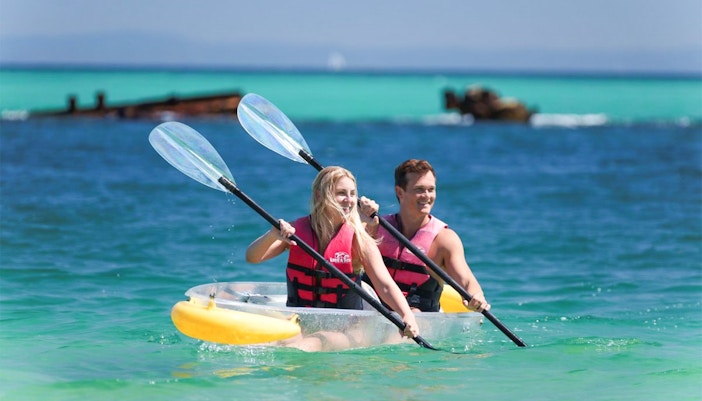
Kayaking
Experience the coastline from a new angle by kayaking around Cape Woolamai, and get to paddle through the peaceful waters of Cleeland Bight. You'll be able to explore the area, get close to nature, and maybe even spot some local wildlife along the way!

Trekking
Hit the trails at Cape Woolamai, and enjoy stunning views of rugged coastlines and rolling hills! The Cape Woolamai Circuit Walk offers breathtaking routes like the Pinnacles Lookout and Woolamai Hill Loop. Whether you're on a short walk or tackling the full 8.5km circuit, these trails are a hiker's paradise – check this route map out!

Dining
Hungry? Cape Woolamai has you covered! Enjoy delicious meals at local gems like The Wooli Tavern or Bang Bang Bar and Food, where fresh seafood and local produce are the stars. With incredible views and tasty food, these dining spots are the perfect way to cap off your day of adventure.
Bird watching
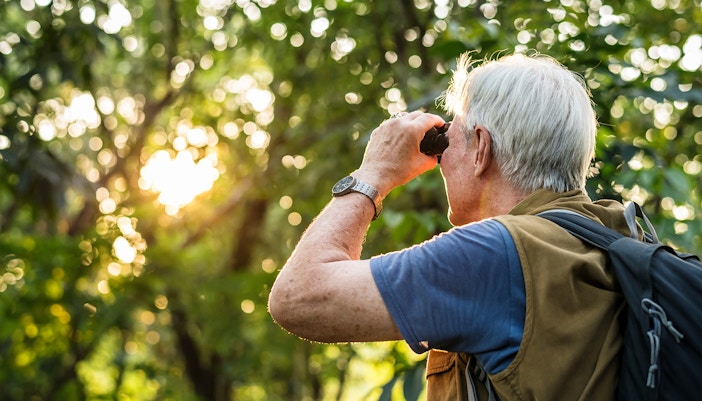
Bird watchers, get your binoculars ready! Cape Woolamai is a bird-watching haven, home to diverse species like shearwaters (known as the Australian Muttonbirds) and oystercatchers. Stroll along the coastal walks and keep an eye out for birds like cormorants, pelicans, and herons in their natural habitat!
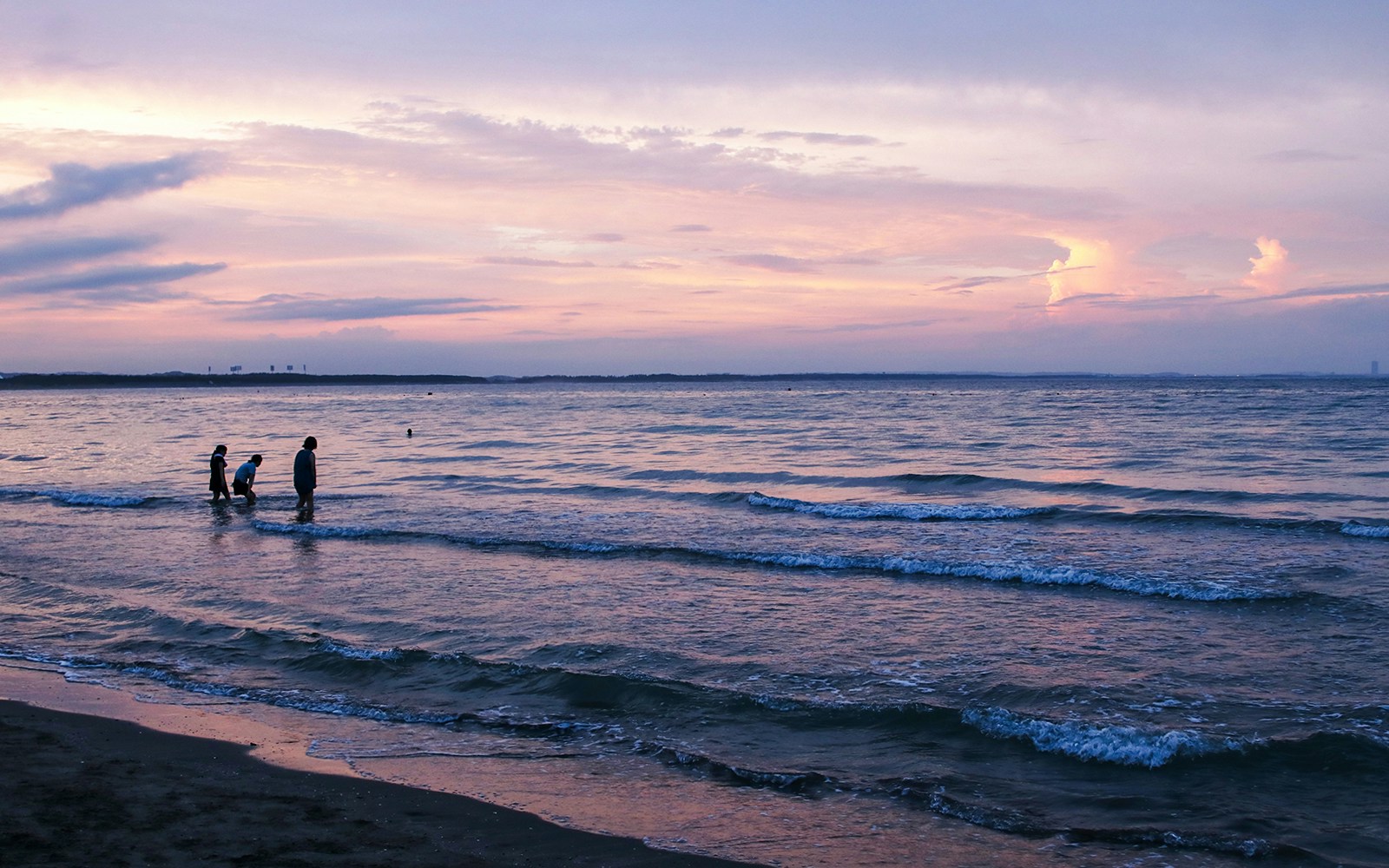
Views at Cape Woolamai Phillip Island - Cliffs, oceans and sunsets!
The Colonnades
Dramatic basalt columns rising from the sea, creating a striking coastal landscape.

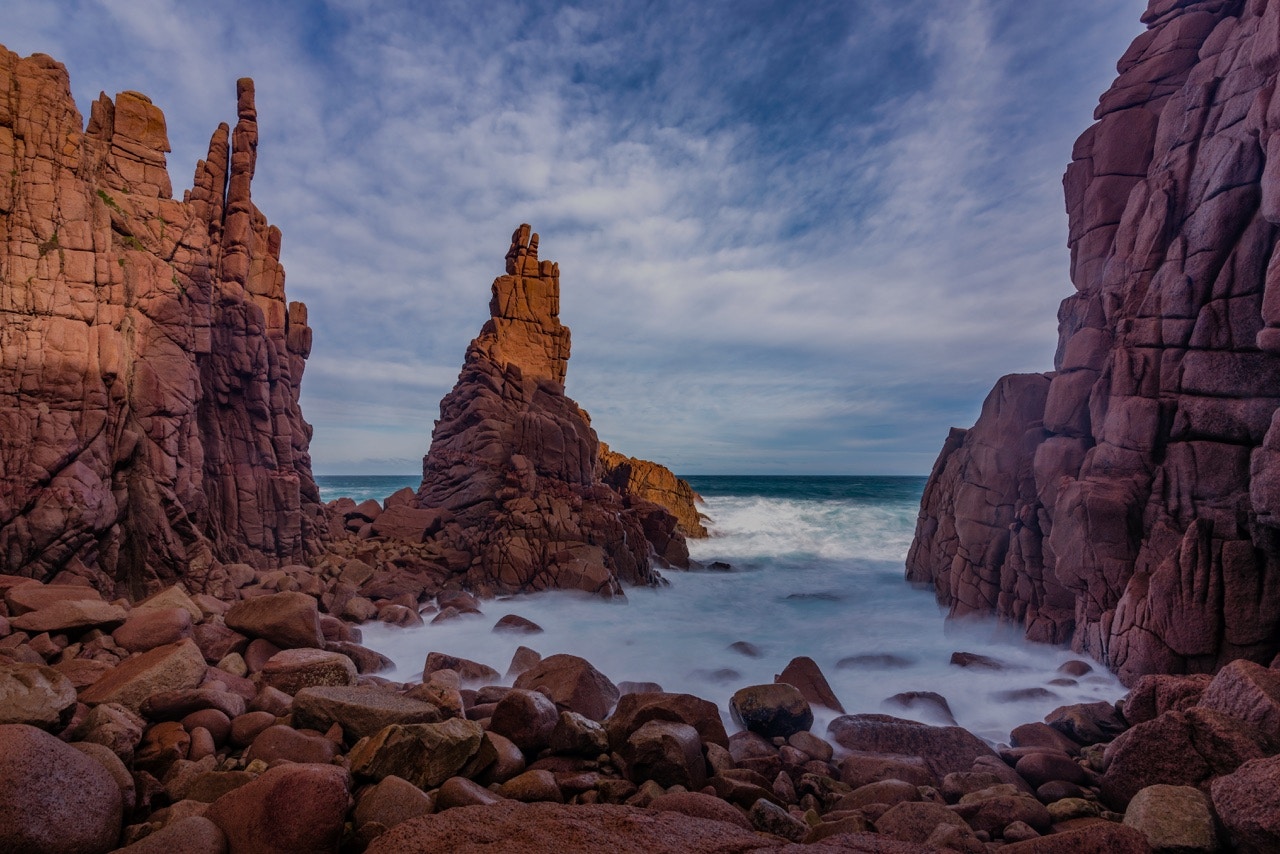
Facts about Cape Woolamai Phillip Island
- Cape Woolamai was named by George Bass, an explorer who discovered the area in 1798. "Woolamai" comes from an Aboriginal word meaning "snapper fish”.
- The Pinnacles at Cape Woolamai feature unique pink granite formations created by ancient volcanic activity and erosion. Make sure to snap a picture when you visit!
- During certain times of the year, you can witness the migration of shearwaters (muttonbirds), which travel thousands of kilometers from Alaska to nest at Cape Woolamai.
- Cape Woolamai is one of the best spots on Phillip Island for bird watching. Visitors can see a variety of species in their natural habitat, including pelicans, herons, and cormorants!
- Cape Woolamai holds incredible cultural significance for the local Bunurong people, who have inhabited the area for thousands of years. The land is rich in Aboriginal heritage, with sacred sites and stories passed down through generations.
Frequently asked questions about visiting Cape Woolamai Phillip Island
Absolutely! Cape Woolamai is renowned for its breathtaking views, diverse wildlife, and exhilarating outdoor activities. Whether you're into surfing, trekking, or soaking up its natural beauty, Cape Woolamai has something special for every visitor.
Cape Woolamai boasts the highest point on Phillip Island and is famous for its striking pink granite cliffs known as The Pinnacles. It’s also a peaceful break from the crowds in the main Phillip Island area, and you’ll get to spend some time lounging and resting here.
Some of the key attractions at the cape include The Pinnacles, Cape Woolamai Beacon, and the Old Granite Quarry. You can expect to see dramatic coastal cliffs, pristine beaches, and a variety of wildlife including shearwaters and possibly even seals.
We’d recommend you bring comfortable walking shoes, a hat, sunscreen, plenty of water, snacks, and a camera. If you plan to swim or surf, pack your swimwear and a towel. Weather can change quickly, so a light jacket is also advisable!
We’d recommend respecting the natural environment by staying on marked trails and taking any rubbish with you. Cape Woolamai is a protected area, so ensure you follow the signs or guidelines to preserve its beauty for future visitors.
Yes, the area is suitable for children and older adults, especially with its walking trails that cater to different fitness levels.
Cape Woolamai is accessible by car, with parking available at the Woolamai Beach Car Park. There are accessible toilets at the car park, but the trails are not suitable for wheelchairs or prams due to uneven surfaces and steps.
Unfortunately, the walking trails at Cape Woolamai are not wheelchair accessible due to the rugged terrain and steps. However, there are accessible facilities like ramps, guided tours and audio guides at the parking area for those who can explore the surroundings from there.
